Understanding the Specialist Who Will Guide Your Care

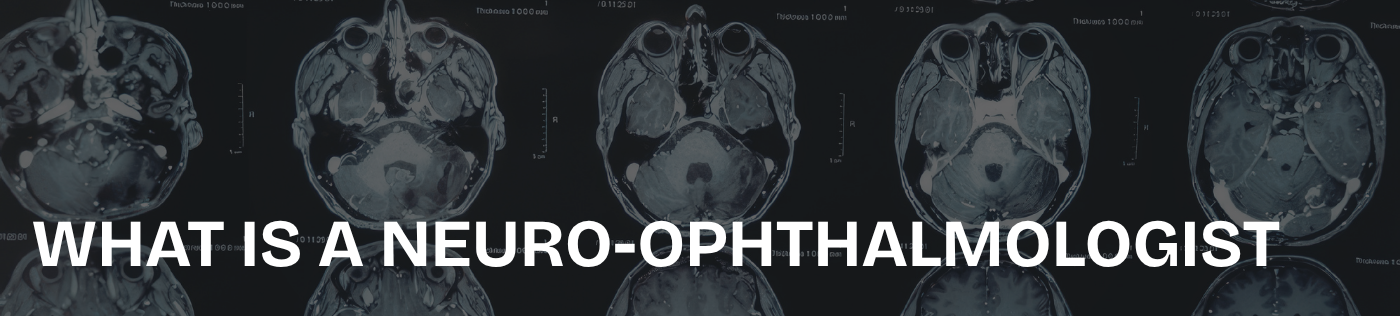
A neuro‑ophthalmologist is a physician who specializes in vision problems that involve the eyes and the brain. They combine training in neurology and ophthalmology to diagnose and manage conditions affecting the optic nerve, eye movements, visual pathways, and related neurologic systems. If your symptoms involve both vision and the nervous system, this is the type of specialist you may be referred to.


How to Use This Page

As you continue down the page, you’ll find practical guidance to help you get ready for your appointment and understand what to expect during your visit. The “Preparing for Your Evaluation” section offers tips to help you feel confident and organized, while “What Happens During the Evaluation” walks you through the typical steps of a neuro‑ophthalmic evaluation.

If you need to locate a specialist near you, the “Find a Neuro‑Ophthalmologist” link will connect you with qualified experts in your area.

Preparing for a Neuro-Ophthalmological Evaluation

This section outlines a few simple steps you can take before your visit to help your neuro‑ophthalmologist understand your symptoms and provide the best possible care. Preparing ahead of time ensures that your appointment runs smoothly and that all of your important information is available during the evaluation.

  1. Request that your treating physicians send all relevant information to the neuro-ophthalmologist prior to your appointment, including office notes, results of laboratory tests and reports of CT and MRI scans.
  2. ​​If you have had a CT or MRI scan performed, arrange to pick up the actual films and bring them with you, or have the facility mail them to the neuro-ophthalmologist in advance or your appointment.
  3. You will probably have your pupils dilated during the visit. The eye drops last about 4 hours and will make things look bright and blurry up close. Have someone else drive you to the appointment and bring your sunglasses.
  4. In order for the physician to get a good look at your eyelids and to avoid ruining your appearance when the eye drops are administered, do not wear eye makeup.
  5. Bring a complete list of medications with you, including the name and dosage of prescription and over-the-counter medications.
What Happens During a Neuro-Ophthalmological Evaluation

This section explains what typically occurs during a neuro‑ophthalmological evaluation so you know what to expect before you arrive. The visit is thorough and may take some time, but each part of the examination helps your specialist understand your symptoms and determine the best next steps for your care.

  1. The neuro-ophthalmologic evaluation is one of the most comprehensive examinations you will experience. It may take a few hours to complete. You will be asked to give an account of your current problem and relate your entire medical history, including previous hospitalizations, operations, serious illnesses, medical problems in your family members, and medication allergies.
  2. You will have a complete eye examination. This may include testing of your peripheral vision (visual field test).
  3. You may have a partial or complete neurologic exam to test your strength, sensation, and coordination.
  4. The neuro-ophthalmologist will review the records and scans from previous evaluations, if applicable.
  5. After the examination, the neuro-ophthalmolgist will discuss the diagnosis (or possible diagnoses), the need for any additional testing and possible treatment.
Find a  Neuro-Ophthalmologist
If you need to find a specialist, the link below will take you to the NANOS directory, where you can search for neuro‑ophthalmologists near you. This tool connects you with qualified physicians who provide care for neuro‑ophthalmic conditions.

Find a Neuro-Ophthalmologist Directory
Search Link